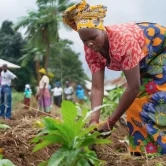
The True Cost of Fragmented Social Protection in Nigeria

Nigeria’s social protection system, designed to shield vulnerable populations from poverty and inequality, is often hampered by fragmentation. Disjointed programs, inconsistent funding, and poor coordination create a system that falls short of its potential, with significant costs for both citizens and the economy.
What is Fragmented Social Protection?
Fragmentation occurs when social protection programs—such as cash transfers, health insurance, or food subsidies—operate in silos. In Nigeria, multiple agencies run overlapping initiatives with little coordination, leading to inefficiencies and gaps in coverage.
The Costs of Fragmentation
-
Inefficient Resource Use: Duplicated efforts waste funds that could be better spent scaling impactful programs.
-
Limited Coverage: Only 17% of Nigerians benefit from social protection, leaving millions without support (World Bank, 2023).
-
Eroded Trust: Inconsistent delivery breeds skepticism, reducing public engagement with programs.
-
Economic Drag: Without a robust safety net, poverty persists, stifling consumer spending and economic growth.
Pathways to Improvement
-
Centralized Coordination: Establish a unified framework to align programs under a single authority.
-
Data-Driven Targeting: Use digital tools to identify and reach vulnerable populations efficiently.
-
Private Sector Involvement: Leverage corporate expertise to streamline delivery and fund innovative solutions.
-
Transparent Monitoring: Regular audits and public reporting can enhance accountability and trust.
A cohesive social protection system isn’t just a moral imperative—it’s an economic necessity. By addressing fragmentation, Nigeria can unlock the full potential of its social safety nets, fostering resilience and prosperity for all.